Coffee shops have become more than places to grab a drink. They are now cultural hubs, remote‑work stations, and daily rituals for millions of people. Because of this shift, coffee café stocks have grown into a powerful niche inside the restaurant sector. Investors now treat coffee chains as their own category, separate from fast food, casual dining, or beverage companies.
In this article, we explore the top pure‑play coffee café stocks on U.S. exchanges. These companies earn most of their revenue from selling coffee in retail shops. They compete for customers, brand loyalty, and long‑term growth. Each one has a different story, strategy, and risk profile. Understanding these differences helps investors decide which stock fits their goals.
The battle for the best coffee café stock is not just about size. It is about speed, innovation, and how well each company adapts to changing consumer habits. Some chains focus on drive‑thru speed. Others focus on premium beans or digital ordering. A few are expanding faster than anyone expected. This mix of strategies makes the coffee café space one of the most interesting corners of the restaurant market.
Before we compare the companies, here is the full list of pure‑play coffee café stocks available to U.S. investors:
- Starbucks (SBUX)
- Dutch Bros (BROS)
- Black Rifle Coffee Company (BRCC)
- Reborn Coffee (REBN)
- Luckin Coffee (LKNCY)
These five companies form the core of the coffee café investment universe. Each one brings something different to the table.
The Big Players and the Fast Climbers
Starbucks is the largest and most well‑known coffeehouse chain in the world. It has thousands of stores, a strong brand, and a loyal customer base. Dutch Bros is smaller but growing fast, especially in the western United States. Black Rifle Coffee Company focuses on a specific lifestyle brand. Reborn Coffee is a premium specialty chain. Luckin Coffee is a major force in China and has rebuilt itself after past challenges.
Even though these companies all sell coffee, their business models are very different. Starbucks focuses on global scale. Dutch Bros focuses on drive‑thru speed. Luckin focuses on digital ordering and low prices. Reborn focuses on premium beans and café design. Black Rifle focuses on community and identity.
This variety gives investors many ways to approach the coffee café sector. Some may want stability. Others may want growth. Some may want a niche brand with a strong identity. The key is understanding how each company competes.
Market Position and Brand Strength
Brand strength is one of the most important factors in the coffee café battle. Starbucks has the strongest brand by far. It is recognized around the world. Dutch Bros has a loyal fan base, especially among younger customers. Luckin Coffee has become a daily habit for millions of people in China. Black Rifle Coffee Company has a strong identity tied to its mission. Reborn Coffee focuses on premium quality and café experience.
Brand strength affects pricing power, customer loyalty, and long‑term growth. It also affects how well a company can expand into new markets. A strong brand can help a company open new stores faster and with less risk.
Below is a table showing the basic profile of each company.
Company Overview Table
| Company |
Ticker |
Core Strength |
Primary Market |
| Starbucks |
SBUX |
Global scale and loyalty |
Worldwide |
| Dutch Bros |
BROS |
Drive‑thru speed and youth appeal |
U.S. |
| Luckin Coffee |
LKNCY |
Digital ordering and low prices |
China |
| Black Rifle Coffee Co. |
BRCC |
Lifestyle branding |
U.S. |
| Reborn Coffee |
REBN |
Premium specialty cafés |
U.S. |
Growth Strategies: Who Is Expanding the Fastest?
Growth is one of the biggest factors investors look at. Dutch Bros has been opening new stores at a rapid pace. The company plans to expand across the country. Luckin Coffee has also been expanding quickly in China. It uses a digital‑first model that keeps costs low. Starbucks continues to grow, but at a slower pace because it is already so large.
Reborn Coffee is expanding too, but on a smaller scale. It focuses on premium locations and high‑quality beans. Black Rifle Coffee Company is growing through both cafés and consumer packaged goods.
One interesting fact is that Dutch Bros stores often break even faster than traditional cafés because of their drive‑thru model. This helps the company scale quickly. Another interesting fact is that Luckin Coffee uses data to decide where to open new stores, which helps it grow with precision.
Growth is important, but it also comes with risk. Companies that expand too fast can run into problems. They may struggle with quality control or rising costs. Investors should watch how each company manages its expansion.
Financial Performance and Stability
Financial strength is another key part of the coffee café battle. Starbucks has the most stable financial profile. It has strong cash flow and a long history of performance. Dutch Bros is still in growth mode, so its profits are smaller. Luckin Coffee has strong revenue growth but operates in a competitive market. Black Rifle Coffee Company and Reborn Coffee are smaller and more volatile.
Below is a table showing general financial characteristics.
| Company |
Revenue Trend |
Profitability |
Risk Level |
| Starbucks |
Stable growth |
Strong |
Low |
| Dutch Bros |
Fast growth |
Moderate |
Medium |
| Luckin Coffee |
Very fast growth |
Improving |
Medium‑High |
| Black Rifle Coffee Co. |
Mixed |
Low |
High |
| Reborn Coffee |
Early‑stage |
Low |
High |
Customer Experience and Innovation
Customer experience is a major part of the coffee café business. Starbucks focuses on comfort and consistency. Dutch Bros focuses on speed and friendliness. Luckin Coffee focuses on convenience and low prices. Reborn Coffee focuses on premium quality. Black Rifle Coffee Company focuses on identity and community.
Innovation also plays a big role. Starbucks invests heavily in digital ordering and loyalty programs. Dutch Bros uses a unique service style that keeps lines moving. Luckin Coffee uses technology to reduce costs. Reborn Coffee experiments with new brewing methods. Black Rifle Coffee Company uses storytelling and branding to build loyalty.
These differences shape how each company competes. They also shape how customers feel about the brand.
Store Models and Operational Efficiency
Store models vary widely across the coffee café sector. Dutch Bros uses small drive‑thru shops. Starbucks uses larger cafés. Luckin Coffee uses small pickup stores. Reborn Coffee uses premium cafés. Black Rifle Coffee Company uses a mix of cafés and retail products.
Drive‑thru models tend to be more efficient. Pickup models reduce labor costs. Large cafés create a premium experience but cost more to operate. Each model has strengths and weaknesses.
Below is a table comparing store models.
| Company |
Store Type |
Efficiency Level |
Customer Focus |
| Starbucks |
Full café |
Medium |
Comfort |
| Dutch Bros |
Drive‑thru |
High |
Speed |
| Luckin Coffee |
Pickup |
Very High |
Convenience |
| Black Rifle Coffee Co. |
Mixed |
Medium |
Identity |
| Reborn Coffee |
Premium café |
Low‑Medium |
Quality |
International vs. Domestic Focus
Starbucks and Luckin Coffee are global players. Dutch Bros, Black Rifle Coffee Company, and Reborn Coffee are focused on the U.S. market. International expansion can bring big rewards, but it also brings risk. Currency changes, regulations, and cultural differences can affect performance.
Starbucks has decades of experience managing global operations. Luckin Coffee is focused on China, which is one of the fastest‑growing coffee markets in the world. Dutch Bros may expand internationally in the future, but for now it is focused on the U.S.
Investors should consider whether they want exposure to global markets or prefer companies focused on domestic growth.
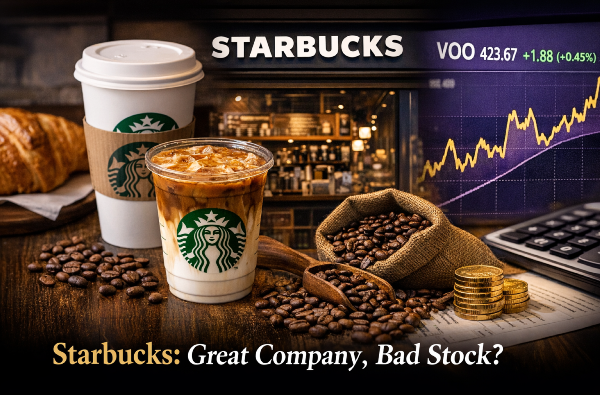
Starbucks (SBUX)
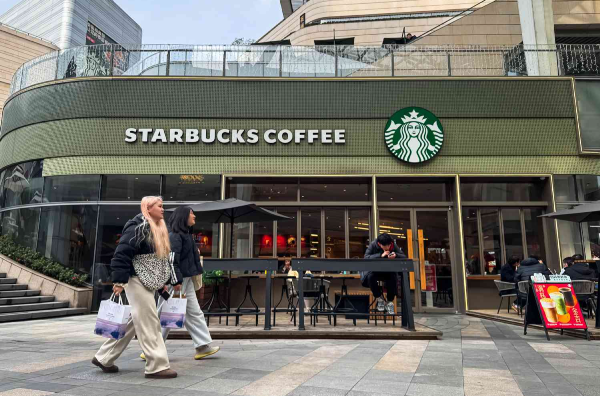
Investing in Starbucks offers exposure to one of the most durable consumer brands in the world, supported by what analysts describe as “sticky demand” for daily caffeine habits. Even during periods of economic uncertainty, consumers tend to maintain their coffee routines, making Starbucks a resilient player in the consumer discretionary sector. Recent commentary highlights that Starbucks has been working to restore its in‑store experience through its “Back to Starbucks” strategy, which includes menu simplification and store remodels aimed at improving customer satisfaction and operational efficiency. This renewed focus has already contributed to improved U.S. transaction growth across all dayparts, signaling early traction in its turnaround efforts.
From an investment perspective, Starbucks has shown signs of regaining momentum after several challenging years marked by store closures and margin pressure. Analysts note that the company has reclaimed key technical levels, including its 200‑day moving average, and is pushing past important price thresholds that historically signal renewed investor confidence. Leadership under CEO Brian Niccol—known for successful turnarounds at Taco Bell and Chipotle—adds another layer of optimism, as his strategic initiatives aim to rebuild the brand’s value proposition and accelerate revenue growth. For long‑term investors, Starbucks represents a blend of global scale, brand loyalty, and improving fundamentals that could support steady performance as the company continues its restructuring and expansion efforts
Dutch Bros Coffee (BROS)
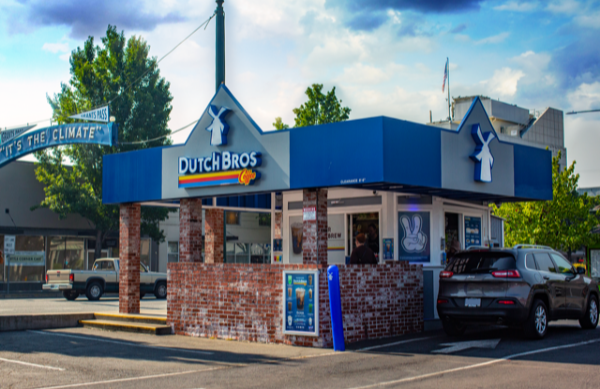
Dutch Bros has emerged as one of the fastest‑growing beverage chains in the U.S., driven by its drive‑thru‑only model and a menu built around high‑energy, flavor‑forward drinks. The company continues to expand rapidly, opening more than 150 new shops in a single year and pushing into new states as it scales from a regional favorite to a national brand. Revenue growth has remained strong, supported by rising same‑store sales and a loyal rewards‑program customer base that now accounts for most transactions.
From an investment perspective, Dutch Bros is viewed as a long‑term growth story with significant runway ahead. Analysts highlight its relatively low build‑out costs, quick payback periods, and ambitious expansion plans that target thousands of future locations. While the stock has experienced volatility, including a notable pullback from previous highs, many see this as an opportunity rather than a red flag—especially as the company continues improving margins and broadening its menu with items like hot food to compete more directly with larger chains.
Black Rifle Company (BRCC)
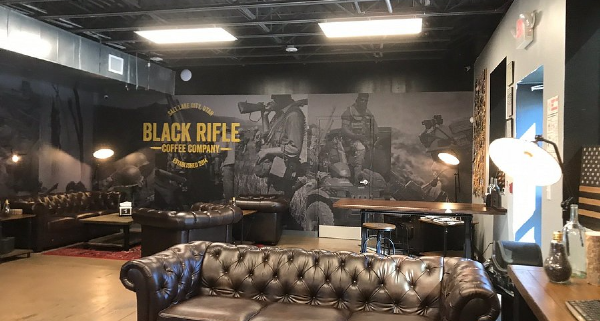
Investing in Black Rifle Coffee Company (BRCC) gives you exposure to a fast‑growing, mission‑driven consumer brand with strong cultural loyalty and a differentiated identity in the premium coffee market. As a veteran‑founded company, BRCC has built a passionate customer base and continues expanding its retail footprint, ready‑to‑drink products, and subscription services. Recent financial updates show the company generating $398M in trailing‑twelve‑month revenue, with analysts projecting a price target of $2.50, representing significant upside from current trading levels.
From an investment standpoint, BRCC is still in a turnaround phase, working to improve profitability while scaling its omnichannel strategy. The stock has been volatile—trading between $0.60 and $2.39 over the past year—but it has also delivered strong short‑term performance, including a 54.5% one‑year return, outpacing the S&P 500 during the same period. For investors comfortable with small‑cap growth stories, BRCC offers a blend of brand strength, improving fundamentals, and high long‑term potential—balanced by the risks that come with early‑stage consumer companies still working toward consistent profitability.
Reborn Coffee
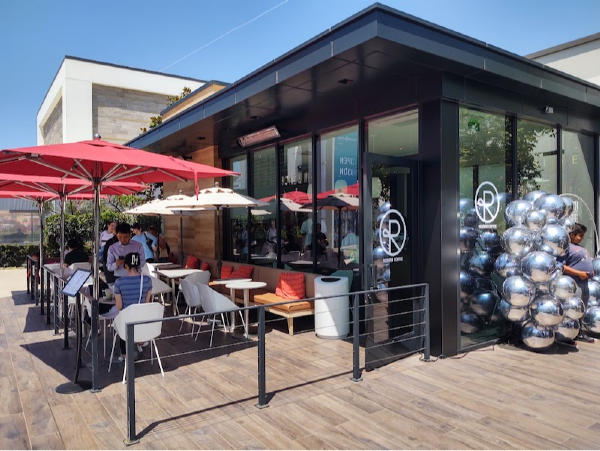
Reborn Coffee is a small but fast‑growing specialty coffee company that focuses on high‑end beans, advanced roasting techniques, and a premium café experience. For investors, the appeal comes from its expansion strategy, which includes new flagship locations, international growth initiatives, and a strengthened supply chain supported by recent partnerships. The stock trades on the NASDAQ under the ticker REBN, and recent price activity shows it moving between $1.36 and $5.05 over the past year, reflecting both volatility and potential upside for early‑stage growth investors.
From an investment standpoint, Reborn Coffee is still in the early phases of scaling, which means higher risk but also meaningful long‑term opportunity if the company executes its growth plan. Recent developments—such as a new distribution partnership with Sysco and progress toward improved operating income—signal that management is focused on building a more efficient, profitable business model. Investors should be aware that the company has experienced significant price swings, including a 50%+ decline over the past year, but it has also shown short‑term momentum with double‑digit weekly gains. For those comfortable with speculative small‑cap stocks, Reborn Coffee offers a unique brand story and a potentially rewarding growth trajectory.
Luckin Coffee
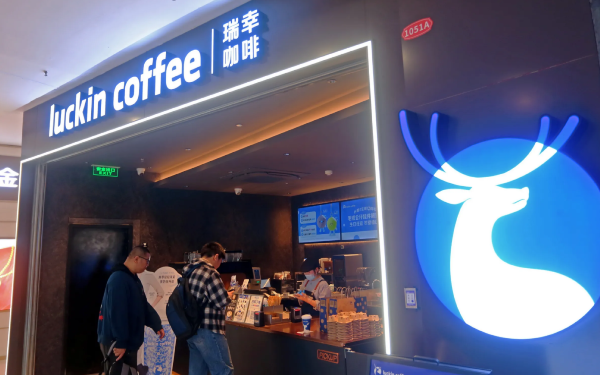
Luckin Coffee has become one of the fastest‑scaling coffee chains in the world, and its growth story continues to attract investor attention. The company reported 43% year‑over‑year revenue growth, reaching RMB 49.3 billion, along with strong gains in profits, customer count, and store expansion. Luckin now operates over 31,000 stores, making it the largest coffee chain in China by footprint. This rapid expansion is supported by a high‑volume, value‑driven model that keeps customer traffic strong, even as the company navigates rising delivery and operating costs.
From an investment perspective, Luckin Coffee offers a mix of high growth potential and moderate volatility. The stock recently traded around $35, delivering a 24.8% one‑year total return, and analysts see additional upside, with some price targets estimating fair value near $44–$48 per share. Investors should note that while long‑term fundamentals look strong—supported by aggressive store expansion, menu innovation, and improving cash flow—short‑term pressures like softer same‑store sales and margin compression remain important risks to monitor. For growth‑oriented investors comfortable with emerging‑market dynamics, Luckin Coffee presents a compelling, fast‑moving opportunity.
Which Coffee Café Stock Wins the Battle?
THE CHOICE IS YOURS!
Each company offers something different:
- Starbucks is the most stable.
- Dutch Bros is the fastest‑growing.
- Luckin Coffee is the most innovative.
- Black Rifle Coffee Company has the strongest identity.
- Reborn Coffee has the most premium focus.
The best choice depends on your goals. If you want stability, Starbucks stands out. If you want growth, Dutch Bros or Luckin Coffee may be better. If you want a niche brand, Black Rifle Coffee Company or Reborn Coffee may fit your style.
The coffee café sector is full of opportunity. Consumer demand for coffee continues to rise. New store formats and digital tools are reshaping the industry. Investors who understand these trends can make smarter decisions.
Final Thoughts
The battle of the coffee café stocks is a competition of strategy, brand, and innovation. Each company has strengths that appeal to different types of investors. Whether you prefer stability, growth, or niche branding, there is a coffee café stock that fits your approach.
As the industry evolves, these companies will continue to compete for customers and market share. Watching how they adapt will help investors stay ahead of the curve.
🔥 Read More: Explore Restaurant Stock Battles









Coffee shops have become more than places to grab a drink. They are now cultural hubs, remote‑work stations, and daily rituals for millions of people. Because of this shift, coffee café stocks have grown into a powerful niche inside the restaurant sector. Investors now treat coffee chains as their own category, separate from fast food, casual dining, or beverage companies.
In this article, we explore the top pure‑play coffee café stocks on U.S. exchanges. These companies earn most of their revenue from selling coffee in retail shops. They compete for customers, brand loyalty, and long‑term growth. Each one has a different story, strategy, and risk profile. Understanding these differences helps investors decide which stock fits their goals.
The battle for the best coffee café stock is not just about size. It is about speed, innovation, and how well each company adapts to changing consumer habits. Some chains focus on drive‑thru speed. Others focus on premium beans or digital ordering. A few are expanding faster than anyone expected. This mix of strategies makes the coffee café space one of the most interesting corners of the restaurant market.
Before we compare the companies, here is the full list of pure‑play coffee café stocks available to U.S. investors:
These five companies form the core of the coffee café investment universe. Each one brings something different to the table.
The Big Players and the Fast Climbers
Starbucks is the largest and most well‑known coffeehouse chain in the world. It has thousands of stores, a strong brand, and a loyal customer base. Dutch Bros is smaller but growing fast, especially in the western United States. Black Rifle Coffee Company focuses on a specific lifestyle brand. Reborn Coffee is a premium specialty chain. Luckin Coffee is a major force in China and has rebuilt itself after past challenges.
Even though these companies all sell coffee, their business models are very different. Starbucks focuses on global scale. Dutch Bros focuses on drive‑thru speed. Luckin focuses on digital ordering and low prices. Reborn focuses on premium beans and café design. Black Rifle focuses on community and identity.
This variety gives investors many ways to approach the coffee café sector. Some may want stability. Others may want growth. Some may want a niche brand with a strong identity. The key is understanding how each company competes.
Market Position and Brand Strength
Brand strength is one of the most important factors in the coffee café battle. Starbucks has the strongest brand by far. It is recognized around the world. Dutch Bros has a loyal fan base, especially among younger customers. Luckin Coffee has become a daily habit for millions of people in China. Black Rifle Coffee Company has a strong identity tied to its mission. Reborn Coffee focuses on premium quality and café experience.
Brand strength affects pricing power, customer loyalty, and long‑term growth. It also affects how well a company can expand into new markets. A strong brand can help a company open new stores faster and with less risk.
Below is a table showing the basic profile of each company.
Company Overview Table
Growth Strategies: Who Is Expanding the Fastest?
Growth is one of the biggest factors investors look at. Dutch Bros has been opening new stores at a rapid pace. The company plans to expand across the country. Luckin Coffee has also been expanding quickly in China. It uses a digital‑first model that keeps costs low. Starbucks continues to grow, but at a slower pace because it is already so large.
Reborn Coffee is expanding too, but on a smaller scale. It focuses on premium locations and high‑quality beans. Black Rifle Coffee Company is growing through both cafés and consumer packaged goods.
One interesting fact is that Dutch Bros stores often break even faster than traditional cafés because of their drive‑thru model. This helps the company scale quickly. Another interesting fact is that Luckin Coffee uses data to decide where to open new stores, which helps it grow with precision.
Growth is important, but it also comes with risk. Companies that expand too fast can run into problems. They may struggle with quality control or rising costs. Investors should watch how each company manages its expansion.
Financial Performance and Stability
Financial strength is another key part of the coffee café battle. Starbucks has the most stable financial profile. It has strong cash flow and a long history of performance. Dutch Bros is still in growth mode, so its profits are smaller. Luckin Coffee has strong revenue growth but operates in a competitive market. Black Rifle Coffee Company and Reborn Coffee are smaller and more volatile.
Below is a table showing general financial characteristics.
Customer Experience and Innovation
Customer experience is a major part of the coffee café business. Starbucks focuses on comfort and consistency. Dutch Bros focuses on speed and friendliness. Luckin Coffee focuses on convenience and low prices. Reborn Coffee focuses on premium quality. Black Rifle Coffee Company focuses on identity and community.
Innovation also plays a big role. Starbucks invests heavily in digital ordering and loyalty programs. Dutch Bros uses a unique service style that keeps lines moving. Luckin Coffee uses technology to reduce costs. Reborn Coffee experiments with new brewing methods. Black Rifle Coffee Company uses storytelling and branding to build loyalty.
These differences shape how each company competes. They also shape how customers feel about the brand.
Store Models and Operational Efficiency
Store models vary widely across the coffee café sector. Dutch Bros uses small drive‑thru shops. Starbucks uses larger cafés. Luckin Coffee uses small pickup stores. Reborn Coffee uses premium cafés. Black Rifle Coffee Company uses a mix of cafés and retail products.
Drive‑thru models tend to be more efficient. Pickup models reduce labor costs. Large cafés create a premium experience but cost more to operate. Each model has strengths and weaknesses.
Below is a table comparing store models.
International vs. Domestic Focus
Starbucks and Luckin Coffee are global players. Dutch Bros, Black Rifle Coffee Company, and Reborn Coffee are focused on the U.S. market. International expansion can bring big rewards, but it also brings risk. Currency changes, regulations, and cultural differences can affect performance.
Starbucks has decades of experience managing global operations. Luckin Coffee is focused on China, which is one of the fastest‑growing coffee markets in the world. Dutch Bros may expand internationally in the future, but for now it is focused on the U.S.
Investors should consider whether they want exposure to global markets or prefer companies focused on domestic growth.
Starbucks (SBUX)
Investing in Starbucks offers exposure to one of the most durable consumer brands in the world, supported by what analysts describe as “sticky demand” for daily caffeine habits. Even during periods of economic uncertainty, consumers tend to maintain their coffee routines, making Starbucks a resilient player in the consumer discretionary sector. Recent commentary highlights that Starbucks has been working to restore its in‑store experience through its “Back to Starbucks” strategy, which includes menu simplification and store remodels aimed at improving customer satisfaction and operational efficiency. This renewed focus has already contributed to improved U.S. transaction growth across all dayparts, signaling early traction in its turnaround efforts.
From an investment perspective, Starbucks has shown signs of regaining momentum after several challenging years marked by store closures and margin pressure. Analysts note that the company has reclaimed key technical levels, including its 200‑day moving average, and is pushing past important price thresholds that historically signal renewed investor confidence. Leadership under CEO Brian Niccol—known for successful turnarounds at Taco Bell and Chipotle—adds another layer of optimism, as his strategic initiatives aim to rebuild the brand’s value proposition and accelerate revenue growth. For long‑term investors, Starbucks represents a blend of global scale, brand loyalty, and improving fundamentals that could support steady performance as the company continues its restructuring and expansion efforts
Dutch Bros Coffee (BROS)
Dutch Bros has emerged as one of the fastest‑growing beverage chains in the U.S., driven by its drive‑thru‑only model and a menu built around high‑energy, flavor‑forward drinks. The company continues to expand rapidly, opening more than 150 new shops in a single year and pushing into new states as it scales from a regional favorite to a national brand. Revenue growth has remained strong, supported by rising same‑store sales and a loyal rewards‑program customer base that now accounts for most transactions.
From an investment perspective, Dutch Bros is viewed as a long‑term growth story with significant runway ahead. Analysts highlight its relatively low build‑out costs, quick payback periods, and ambitious expansion plans that target thousands of future locations. While the stock has experienced volatility, including a notable pullback from previous highs, many see this as an opportunity rather than a red flag—especially as the company continues improving margins and broadening its menu with items like hot food to compete more directly with larger chains.
Black Rifle Company (BRCC)
Investing in Black Rifle Coffee Company (BRCC) gives you exposure to a fast‑growing, mission‑driven consumer brand with strong cultural loyalty and a differentiated identity in the premium coffee market. As a veteran‑founded company, BRCC has built a passionate customer base and continues expanding its retail footprint, ready‑to‑drink products, and subscription services. Recent financial updates show the company generating $398M in trailing‑twelve‑month revenue, with analysts projecting a price target of $2.50, representing significant upside from current trading levels.
From an investment standpoint, BRCC is still in a turnaround phase, working to improve profitability while scaling its omnichannel strategy. The stock has been volatile—trading between $0.60 and $2.39 over the past year—but it has also delivered strong short‑term performance, including a 54.5% one‑year return, outpacing the S&P 500 during the same period. For investors comfortable with small‑cap growth stories, BRCC offers a blend of brand strength, improving fundamentals, and high long‑term potential—balanced by the risks that come with early‑stage consumer companies still working toward consistent profitability.
Reborn Coffee
Reborn Coffee is a small but fast‑growing specialty coffee company that focuses on high‑end beans, advanced roasting techniques, and a premium café experience. For investors, the appeal comes from its expansion strategy, which includes new flagship locations, international growth initiatives, and a strengthened supply chain supported by recent partnerships. The stock trades on the NASDAQ under the ticker REBN, and recent price activity shows it moving between $1.36 and $5.05 over the past year, reflecting both volatility and potential upside for early‑stage growth investors.
From an investment standpoint, Reborn Coffee is still in the early phases of scaling, which means higher risk but also meaningful long‑term opportunity if the company executes its growth plan. Recent developments—such as a new distribution partnership with Sysco and progress toward improved operating income—signal that management is focused on building a more efficient, profitable business model. Investors should be aware that the company has experienced significant price swings, including a 50%+ decline over the past year, but it has also shown short‑term momentum with double‑digit weekly gains. For those comfortable with speculative small‑cap stocks, Reborn Coffee offers a unique brand story and a potentially rewarding growth trajectory.
Luckin Coffee
Luckin Coffee has become one of the fastest‑scaling coffee chains in the world, and its growth story continues to attract investor attention. The company reported 43% year‑over‑year revenue growth, reaching RMB 49.3 billion, along with strong gains in profits, customer count, and store expansion. Luckin now operates over 31,000 stores, making it the largest coffee chain in China by footprint. This rapid expansion is supported by a high‑volume, value‑driven model that keeps customer traffic strong, even as the company navigates rising delivery and operating costs.
From an investment perspective, Luckin Coffee offers a mix of high growth potential and moderate volatility. The stock recently traded around $35, delivering a 24.8% one‑year total return, and analysts see additional upside, with some price targets estimating fair value near $44–$48 per share. Investors should note that while long‑term fundamentals look strong—supported by aggressive store expansion, menu innovation, and improving cash flow—short‑term pressures like softer same‑store sales and margin compression remain important risks to monitor. For growth‑oriented investors comfortable with emerging‑market dynamics, Luckin Coffee presents a compelling, fast‑moving opportunity.
Which Coffee Café Stock Wins the Battle?
THE CHOICE IS YOURS!
Each company offers something different:
The best choice depends on your goals. If you want stability, Starbucks stands out. If you want growth, Dutch Bros or Luckin Coffee may be better. If you want a niche brand, Black Rifle Coffee Company or Reborn Coffee may fit your style.
The coffee café sector is full of opportunity. Consumer demand for coffee continues to rise. New store formats and digital tools are reshaping the industry. Investors who understand these trends can make smarter decisions.
Final Thoughts
The battle of the coffee café stocks is a competition of strategy, brand, and innovation. Each company has strengths that appeal to different types of investors. Whether you prefer stability, growth, or niche branding, there is a coffee café stock that fits your approach.
As the industry evolves, these companies will continue to compete for customers and market share. Watching how they adapt will help investors stay ahead of the curve.
🔥 Read More: Explore Restaurant Stock Battles